
 Winter
Gloves and Mittens
Winter
Gloves and Mittens
Extreme Weather Protection
Keep your hands warm in cold temperatures.
 This is the US page |
Go
to UK page
This is the US page |
Go
to UK page

Quick purchase links
Light weight gloves -
men's
women's
Heavy weight gloves -
men's
women's
Over mittens -
men's
women's
Your hands have a large surface area compared to their volume, this means that they lose heat rapidly in cold conditions. In addition to this this, the muscles that operate your hands are mainly located in your forearm, you can feel this by holding one forearm with the other hand then and alternately making and relaxing a fist, the muscles can be felt tensing and relaxing. So even when your hands are used extensively, the heat generated does little to help warm up the hand.
This means that gloves or mittens are essential in cold conditions and indispensable unless you walk around all of the time with your hands in your pockets. Mittens will always be warmer than gloves if made out the same materials, but reduce dexterity. Gloves will never be as warm as mittens made in the same way.
Lightweight Gloves
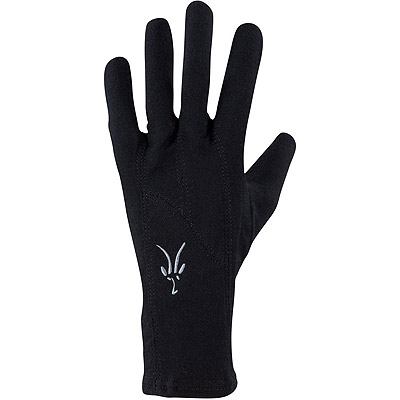
As temperatures start to cool, the first call is to gloves that are thin and soft without a wind or waterproof outer layer. These will give you good dexterity, sensor gloves enable the operation of touchscreen devices. If you can put your hands in your pockets when not needed, these thin gloves will be sufficient for quite a while.
Heavyweight Gloves
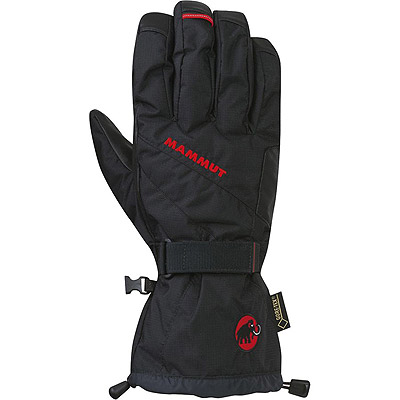
As the temperature continues to fall, heavier weight gloves with an outer layer that is wind proof and water resistant are the next step if you still need some manual dexterity, these are often described as ski gloves. If you need a greater degree of warmth then you need mittens, less expensive mittens will suffice if you don't need the dexterity.
Over Mittens
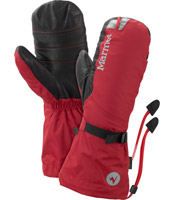
In the very coldest temperatures a pair of insulated glove liners with substantial over mittens are needed. If you need to, you can slip off the mittens for finer handling using the gloves alone for a short time, with just mittens you would be bare handed otherwise which could be uncomfortable, painful or even dangerous.
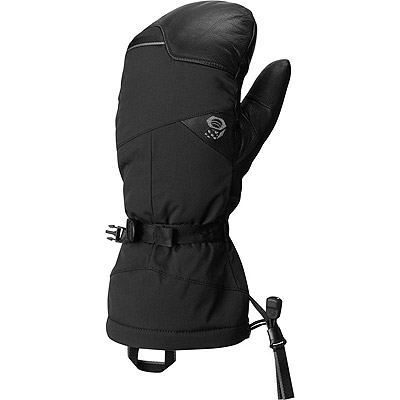
Good sized cuffs for gloves and mittens make them more effective as they cover the wrist and prevent a bare or thinly insulated region between the glove and coat sleeve, it all becomes one toasty insulated continuum. With thin gloves the cuff goes under the sleeve, with substantial gloves and mittens, the wide long cuff goes over the sleeve and has a draw cord or velcro closure to close it down, the most effective and warmest of all have cuffs that reach part way up the forearm.
Some gloves and mittens have a patch of fur on the back (often synthetic) that can be placed against cheeks or nose if they start to turn pasty white with frostnip.
For extra dexterity, fingerless gloves are available, I can't recommend them. They lack insulation at precisely the place where it is most important, avoid unless you know you like them. Some mittens come with a flip-top that exposes the fingers underneath if you need dexterity and some that have a pouch where you can insert a chemical heat pack.
Recommended Winter
Gloves
and Mittens
Note - giving gloves and mittens the name "Extreme" or labeling them "-20 F !" or similar does not make them extreme or guarantee that they will keep you warm down at that temperature, so take it with a pinch of salt. It doesn't mean that they are not good though when used within their (lesser) limits.
Most styles here are unisex or available in men's and women's sizes

Achiou Knit Gloves Touchscreen
Soft Lining
Elastic Cuff Anti-Slip, size choice unisex
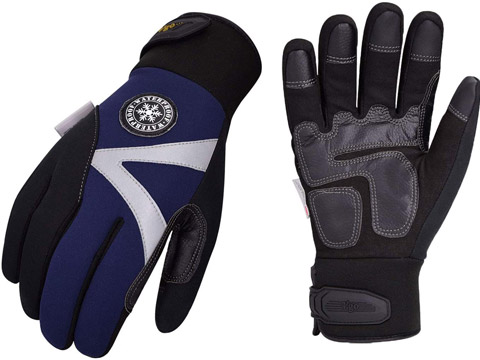
Vgo 2-Pairs, 3M Thinsulate Touchscreen
Synthetic Leather Gloves, Waterproof Insert
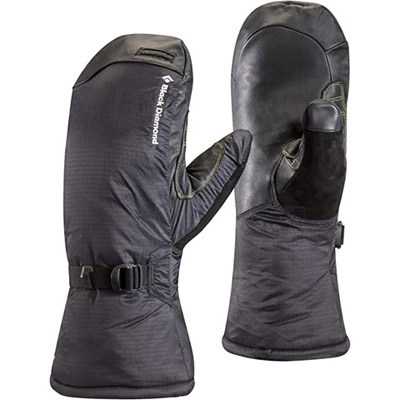
Black Diamond Cold Weather Mittens
High
quality extreme cold weather mittens, men's
and women's styles
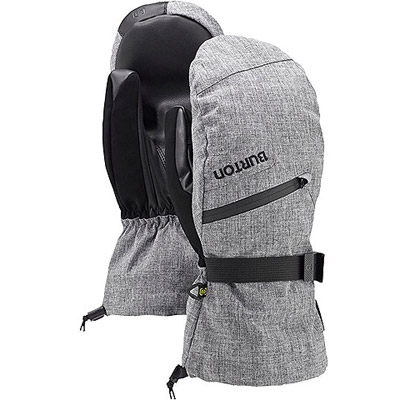
Burton Gore-Tex Mitts
Waterproof breathable
mittens for serious conditions
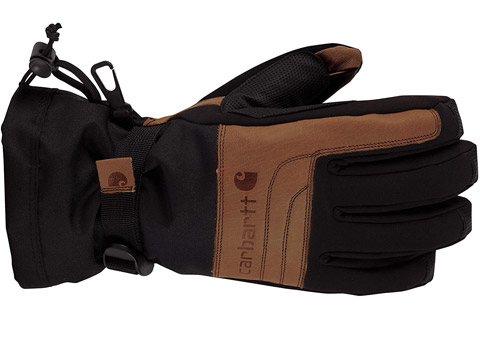
Carhartt Men's Cold Snap Insulated Work
Gloves
Tough work gloves for outdoor
winter tasks
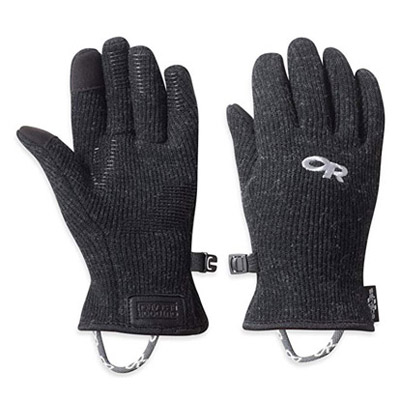
Outdoor Research Flurry, Sensor Gloves
For colder weather, water resistant, touchscreen
Men's |
Women's
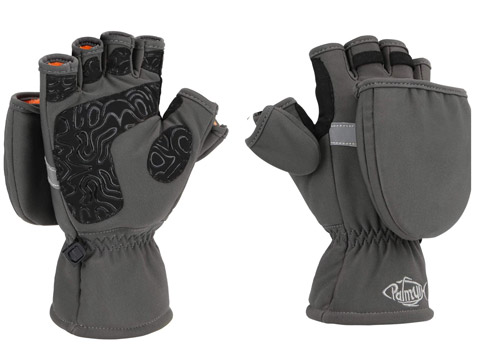
Palmyth Convertible Mittens, Flip Fingerless
Mitt with Thinsulate
Ice Fishing, Photography,
Running
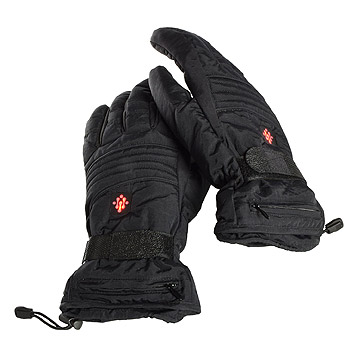
Heated Gloves
with rechargeable battery
packs, ski, motorcycle, arthritis
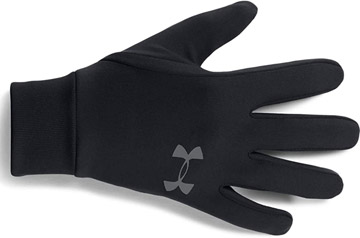
Under Armour Armour Liner 2.0 Gloves
close fit base-layer / running
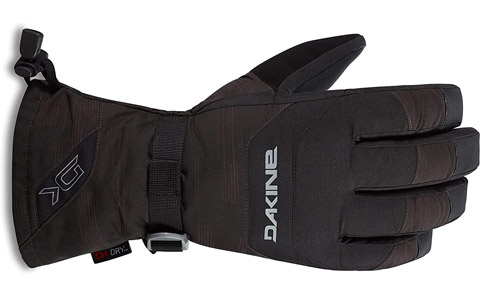
Dakine Men's Scout
Ski/snowboard,
bestselling classic
short or long, glove
or mitt
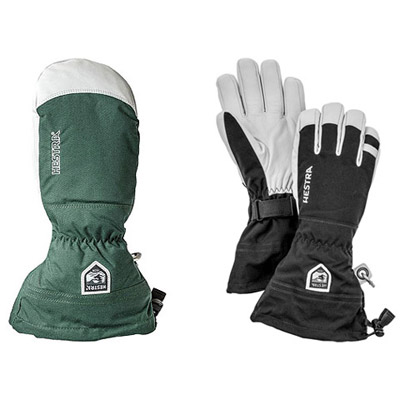
Hestra Heli Ski Gloves or Mittens
Leather palms, seriously warm without excess
bulk
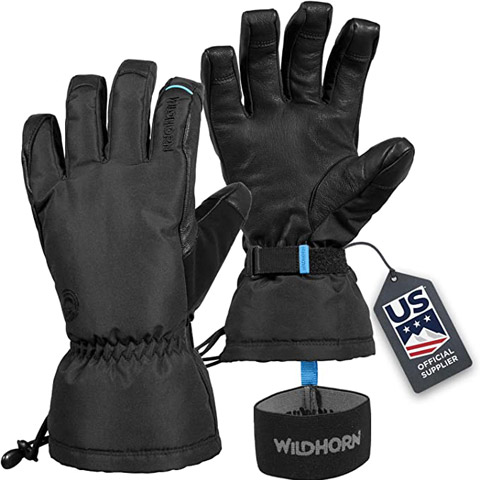
Wildhorn Tolcat Unisex Waterproof Leather
Ski Gloves
Touchscreen Compatible
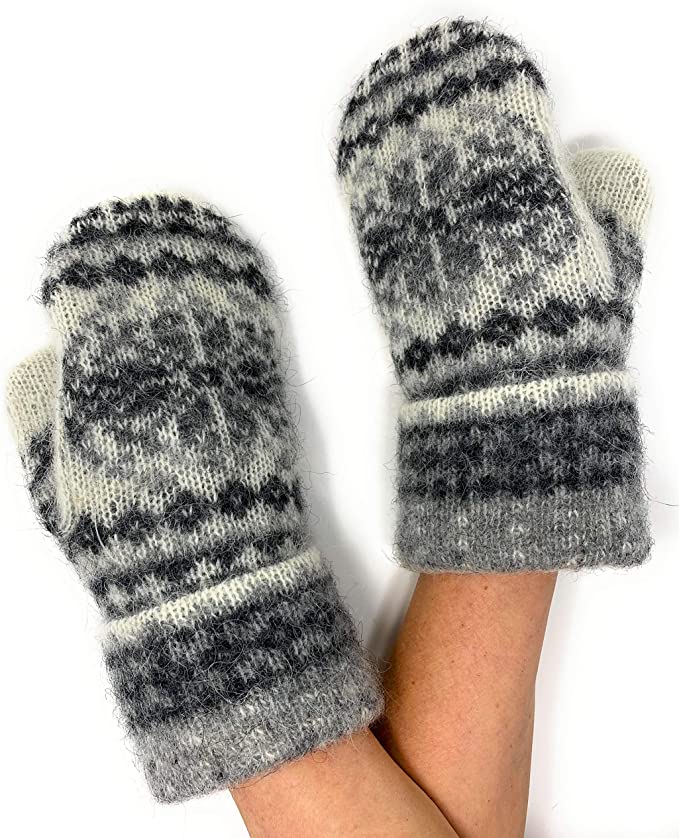 Freyja Canada Icelandic Wool Fleece Lined
Warm Women's Knit Mittens, in a range of
colors
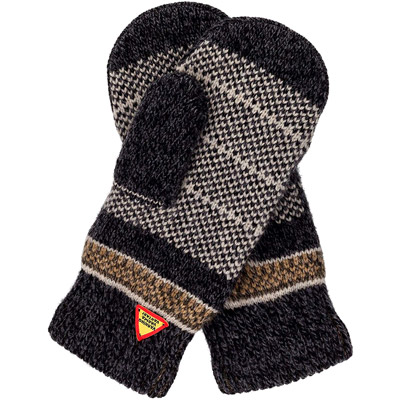
Ojbro Swedish 100% Merino Wool (as Featured
by the Raynauds Assn)
ssuper soft, extra
thick, in a range of colors
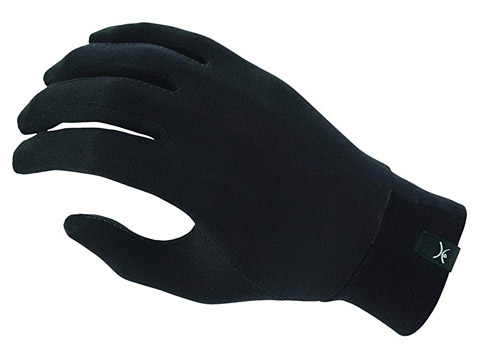
Terramar Thermasilk Glove Liner
100%
silk, warmth with dexterity or inner gloves
in colder weather, black, white or natural
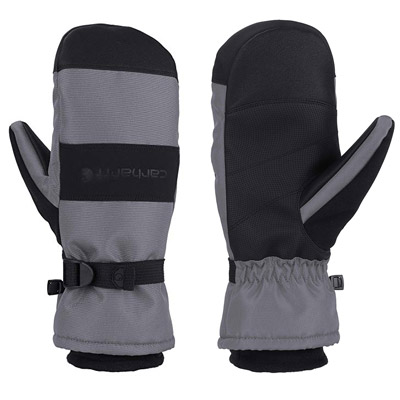 Carhartt Men's Waterproof Insulated Mittens
Fleece lined
Gloves