
 Antarctic
Cruise and Travel Guide
Antarctic
Cruise and Travel Guide
Trips to Antarctica
Adventures with Cool Antarctica and
Antarctica Travels
Information:
Request
Contact |
Antarctic travel
- more details |
fly to Antarctica |
FAQ's |
clothing |
boots
Regions:
Antarctic Peninsula |
South Georgia |
South Shetland Islands |
Falkland Islands |
Arctic
What will I do and what will
I see?
 First of all you will cross some of the most
excitable seas that there are, The Drake Passage. This
may happen in the night and you may be blissfully unaware of
it. It may happen during the day time when you are very aware
of it. Make the most of the experience, it's like a rite
of passage, earning you your place in the South. Alternatively
you may choose to fly across the Drake passage in both directions
or sail one way and fly the other if you want to save time or
can't face the potential sea state, which incidentally may
be contrary enough to be like a mill pond the time you go across
it.
First of all you will cross some of the most
excitable seas that there are, The Drake Passage. This
may happen in the night and you may be blissfully unaware of
it. It may happen during the day time when you are very aware
of it. Make the most of the experience, it's like a rite
of passage, earning you your place in the South. Alternatively
you may choose to fly across the Drake passage in both directions
or sail one way and fly the other if you want to save time or
can't face the potential sea state, which incidentally may
be contrary enough to be like a mill pond the time you go across
it.
You will cross the Antarctic convergence, an area of upwelling sea water where deep water flowing north from the edge of the Antarctic continent meets deep south-flowing water, the two then flow upwards bringing dissolved nutrients to the surface to power the huge seasonal biological abundance during the long endless light of the summer days. The circumpolar convergence is a moveable barrier that snakes around but is very stable in the long term. So much so that virtually no fish species have managed to travel and establish themselves in either direction in the 25 million years since it arose. The convergence has also acted as a barrier to Decapod Crustaceans - crabs, crayfish, lobsters etc. These abound elsewhere in the world's seas, but are rare in the Antarctic.
South of this you are in the "Southern"
or "Antarctic" Ocean, this is where Antarctica
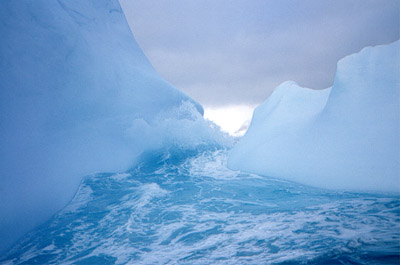
starts. You will see ice-bergs in quantity, and other types
of ice too with a multitude of names, pack, brash, bergy bits,
growlers and more.
Albatrosses, seals, penguins, myriad
other birds and if you're lucky - whales, will follow the
ship for a while or just come for a look.
You will see some of the most beautiful scenery that the planet has to offer, seascapes, icescapes and landscapes that you only dream about. Except there you are - part of it all.

You will go on visits ashore generally of short duration (around 3 hours), of moderate intensity (less than 100 people), and of a frequency that depends on your tour operator. Typically there are 1-2 landings per day. Landings are made using Zodiacs (rubber inflatable boats) or if the ship is so equipped also by helicopter. Other activities by visitors to Antarctica include mountain climbing, camping, kayaking and scuba diving, there is even the occasional Antarctic marathon (yes honestly!).
Tour operators usually co-ordinate their itineraries so that ships do not see each other or allow shore parties from different ships overlap, this helps to maintain the "wilderness experience".
On your trips ashore you will see Antarctic wildlife
up close and personal.

You can expect to see
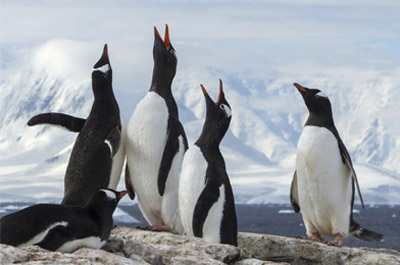
- Colonies of Adelie, Gentoo and Chinstrap penguins
- that vary between large and huge, in the summer months,
they may be courting and nest building, with eggs, with
small chicks or with nearly fledged chicks depending on
the time you go. You will also see King, and Macaroni penguins
if you visit sub-Antarctic islands such as South Georgia.
If you go far enough south you may see Emperor penguins.
- Seals - Crabeater, Southern Elephant, Leopard, Fur and Weddell seals are to be found here, chilling out in the ocean, floating around on ice-floes or relaxing on rocky Antarctic shores.
- Whales - humpback whales and killer whales are present and may pose for visitors, if you are lucky you may see other whale species, even the blue whale, the largest animal that has ever lived.
- Albatrosses - the "bird which made the wind to blow" with the largest wingspan in the world. Antarctic skuas, snow petrels, blue eyed shags, American sheathbills, cape pigeons, giant petrels, and tiny dancing Wilson's storm petrels amongst others may pass by.

Popular places to visit
- Deception Island - a collapsed volcano that forms a natural harbour. It is situated among the South Shetland Islands at the tip of the Antarctic Peninsula. The main attraction for tourists is the thermally heated water of Pendulum Cove where you can paddle or swim. There are also the remains of scientific bases abandoned after a volcanic eruption in 1969.
- Lemaire Channel - this used to be known
as the 'Kodak Gap' (there's a reference for
the teenagers!) because of its popularity with tourists
and usage of photographic film that resulted. The Lemaire
Channel is a narrow waterway formed between the cliffs of
the Antarctic Peninsula and offshore Booth Island.
- Paradise Harbour - On the west side
of the Antarctic Peninsula, spectacular glaciers and scenery
- once you've been, the name will make obvious sense.
What trips are available?
There are far more trips to the Antarctic Peninsula region leaving from the tip of South America than to the more difficult to get to Eastern Antarctica leaving from New Zealand or less commonly Australia. The travel time to the Antarctic Peninsula is significantly less meaning shorter trips and lower costs to get there with many more trip options. It is possible to fly one or both ways so saving sailing time. The relatively fewer Eastern Antarctic trips are often booked up at least a year in advance.Peninsula

- Typical trip 10-12 days
6-16 days available - Fly-cruise typically 8 days, 6-12 days available
- Fly cruise available as fly-fly / fly-sail / sail-fly
- Sail time 2 days each way to reach Antarctica
- Antarctic Peninsula is very wildlife rich
- Cruises visit Peninsula sites and some offshore islands
- Longer trips may sail south to the Antarctic Circle and/or enter the Weddell Sea
Peninsula, Falklands, S. Georgia

- Typical trip 18-20 days
15-24 days available - Some trips include flights across Drake Passage or to the Falklands
- Sail time 2 days across Drake Passage, 2 days to South Georgia
- Antarctic Peninsula is very wildlife rich, South Georgia especially so
- Visits Peninsula sites and some islands en route
- Longer trips may cross the Antarctic Circle
- Possibly the best all round trips due to diversity of scenery and wildlife and time spent at sea.
- There are also trips of 15-20 days that only visit South Georgia and the Falkland Islands
Ross Sea Region

- Typical trip 26-30 days
- Usually leave from New Zealand, more rarely Hobart
- No flight options
- More time spent travelling at sea than on Peninsula trips
- The whole region is in the deep south inside the Antarctic Circle
- The Eastern Antarctic region is much less rich in wildlife compared to the Peninsula
- Trips include stops at wildlife super-abundant sub-Antarctic islands, havens for bird-watchers
- Trips usually visit historical huts from the Heroic Age of Antarctic exploration
What do I need to take? Clothing and equipment
When your feet are cold, cover your head. - Inuit saying.
As your trip will be in the Antarctic summer, you won't need to take any real extreme cold weather gear. Temperatures on many or most days will hover around freezing point, maybe dropping to an extreme of -10°C (20F) or rising to +10°C (50F). Obviously people adapt to the cold in different ways and I've seen some tourists in the Antarctic in light-weight clothing while others are wrapped up like the Michelin man in the same conditions. Layering is the key, then you can be flexible according to conditions.Rain wear is the best bet for your outer layer, even though you may not get any rain, you may well get some not especially cold (and therefore quite wet) snow and will get splashed by sea water at some point while riding on a zodiac, you'll probably have to sit in a wet zodiac too at some time, so waterproof pants/trousers as well as a jacket are also needed.
Boots are very important, the neoprene-topped super-welly type are an excellent choice. These have a good solid rugged sole that can deal with rough terrain, are waterproof for wet zodiac landings and are close fitting around the calf so are much warmer than traditional style rubber wellington boots that pump warmed air out as you walk along. These neoprene topped boots can be worn with a single pair of socks which will be enough to keep you sufficiently warm throughout your trip. On return they are ideal for winter walking in the cold and wet.
Hire or free use gear - Many ships cruising
Antarctica will have some equipment for loan or hire. You may
need to make your requirements known in advance especially for
sizes. As well as not spending money buying things you may rarely
if ever need again, hiring gear cuts down your luggage weight
and bulk which can be an important factor if you have a charter
flight with a strictly restricted baggage allowance, and can
be far and away the more environmentally friendly option.
clothing Essentials


Other Stuff
 |
 |
 |
 |
 |
 |
|---|---|---|---|---|---|
|
Camera Get a quality camera |
Good quality sun-glasses with u.v. protection |
Lightweight waterproof backpack |
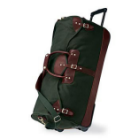
Luggage to lug your stuff around in |
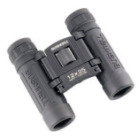
Take a decent pair of binoculars |
Powerstrip Ships cabins don't always have a lot of sockets |

Antarctic Peninsula
Cruises - 2026 / 2027
| Trip | Highlights | Prices USD* |
|---|---|---|
|
Classic
Antarctic Peninsula Expedition 6 - 17 days |
South Shetland Islands, Antarctic Peninsula, Penguin Rookeries, Lemaire Channel. | from $5,490 typically $12K-14K |
|
Antarctica Peninsula Basecamp 13 days |
Antarctic Peninsula trip with inclusive activities on offer such as hiking, snowshoeing, kayaking, mountaineering, and camping out under the South Polar skies. | from $11,600 |
|
Crossing the Circle 10 - 34 days typically 12 - 14 |
Sail down the Antarctic Peninsula and cross the Antarctic Circle, South Shetland Islands, Wildlife, Scenery. | from $9,390 |
Air-Cruise, Fly the Drake
Cruises - 2026 / 2027
| Trip | Highlights | Prices USD* |
|---|---|---|
|
Antarctic Peninsula, South Shetland Islands. Fly across the Drake
Passage 6 - 21 days typically 8 |
Fly across the Drake Passage in 2 hours to join your ship, cruise the South Shetland Islands and western Antarctic Peninsula. Spectacular scenery, glaciers, icebergs, penguins, seals and whale sightings. A few sail one way, fly the other trips. Some trips cross the Antarctic Circle. Longer trips take in South Georgia and sail back to Ushuaia. | from $5,995 typically $15K-17K |
Ross Sea Region
Cruises - 2026 / 2027
| Trip | Highlights | Prices USD* |
|---|---|---|
|
Little visited Eastern Antarctica, Ross Ice Shelf. 22 - 35 days |
Remote even for Antarctica, sailing there and back take 5 days each with visits to sub-Antarctic islands on the way. Historic huts in a region central to the continent's exploration. Wildlife, ice shelves, ice bergs and sea-ice. Some trips are circum-navigations from NZ to South America or vice-versa. | from $27,500 |
South Georgia with the Falkland Islands
and / or Antarctic Peninsula
Cruises
- 2026 / 2027
| Trip | Highlights | Prices USD* |
|---|---|---|
| South Georgia, Antarctic
Peninsula and Falkland Islands 17 - 28 days |
Sub-Antarctic South
Georgia has some of the most unique and abundant wildlife on earth including
the world's biggest King Penguin colony, one of the world's largest
concentration of Southern Elephant Seals, and many other penguins,
whales, seabirds and seals all with a background of the Alps dropped
in mid-ocean. Falklands Islands - a British colony in the South Atlantic with wild places and diverse abundant wildlife. The Antarctic Peninsula is Antarctica proper with icebergs, glaciers and wildlife. |
from $10,995 |
| South Georgia and
Falkland Islands 17 - 19 days |
from $10,995 | |
| South Georgia and
Antarctic Peninsula 17 - 28 days |
from $16,811 |
* Prices are per person. the lowest price is usually for triple occupancy in a basic cabin.
Options such as kayaking are usually booked when the cruise is booked, they may be at additional cost and have limited availability - it may be too late once the cruise has started.
Contact me about my trip to Antarctica!
Please complete the form
and an Antarctic Expert will contact you
Departures from late October to late March
Our partner company, Antarctica Travels, passionately help people to reach their ultimate destination.
All enquiries will be answered from our office in Patagonia, Argentina.
Dozens of trips - unique combinations of ship + itinerary
Range of ships - 67 to 264 passenger capacity
$5,490 to $89,393
6 to 35 days
Please note - we cannot help directly to find employment in Antarctica, please do not use this form to request any other information than for Antarctic tourist trips